
Carriacou, about thirty-five kilometres north of mainland Grenada, and Petite Martinique beside it, attract a small community of foreign residents who prefer a quieter, slower island life: boat builders, sailors, retirees and people running small guesthouses. Legally, nothing changes when you cross the channel. The same constitution, immigration rules and residence procedures apply across the state of Grenada.
Practically, almost everything changes. Government offices are fewer, specialist health care is a ferry or flight away, supplies arrive by boat, and the islands are still recovering from Hurricane Beryl, which struck with great force in July 2024 and damaged a large share of homes and buildings. This page covers the residence side and the practical realities for foreigners considering a move. Because recovery is ongoing, check the current status of any office, service or business before relying on it.
Immigration on the sister islands
Visitors arriving on Carriacou by air at Lauriston Airport, by ferry from St George's, or by yacht from the north clear immigration on the island. Yachts arriving from St Vincent and the Grenadines usually clear at Hillsborough, where the port of entry is located. The period granted on entry follows the same rules as on the mainland.
Extensions of stay are handled by the Immigration Department, and residents on Carriacou have generally been able to make enquiries through the immigration office in Hillsborough. Ask there how applications are currently processed, and allow time in case files need to go to St George's. Applications for permanent residence and citizenship are decided on the mainland, so expect at least some trips across.
Petite Martinique has no separate immigration regime; it is part of the same system. Residents there usually deal with Carriacou or the mainland for official business. Factor ferry times and weather into every deadline.
Practical realities of daily life
Health care. The Princess Royal Hospital in Belair is the main hospital on Carriacou, with health facilities on Petite Martinique. Serious cases are transferred to the mainland, and some specialist care requires travel further afield. Check the current level of service after the hurricane, and carry insurance that includes evacuation.
Water. Carriacou is drier than the mainland, and many homes rely on rainwater cisterns. Cistern capacity, roof catchment and water storage matter more than on the mainland, especially in the dry season.
Supplies. Goods arrive by cargo boat and ferry, so choice is narrower and prices for many items higher. Residents plan shopping trips to St George's and stock up.
Connectivity. Mobile and internet services are available, but coverage and speeds vary by location. Test the actual service at any property before committing.
Transport. Getting to the mainland is by ferry or short flight. Schedules depend on weather and demand and have changed since 2024, so confirm before planning appointments.
After Hurricane Beryl
Hurricane Beryl, an exceptionally strong early-season storm, passed directly over Carriacou and Petite Martinique on 1 July 2024. Damage was extensive: many homes lost roofs or were destroyed, utilities were knocked out, vegetation was stripped, and businesses, schools and public buildings were badly affected. Reconstruction has been a long process supported by government, regional partners and donors.
For prospective residents, the hurricane has practical consequences. Rental housing has been in short supply in some areas, building materials and contractors are in demand, and services that existed before 2024 may have moved, closed or reopened in a different form. Information online can be out of date in either direction.
It also sharpens the question of building standards. Anyone buying or renting should look closely at roof construction, hurricane straps, shutters and the structural condition of older buildings, and ask how a property fared in Beryl and what was repaired.
Moving to the islands: a sensible order
Foreign residents who settle well on Carriacou or Petite Martinique tend to follow a cautious sequence, giving themselves time to understand the islands before making commitments that are expensive to reverse:
- Visit for an extended stay, ideally including part of the rainy season, before committing.
- Ask at the immigration office in Hillsborough how extensions are currently handled on the island.
- Rent before buying, and inspect any property for hurricane resilience and water storage.
- If buying, instruct a Grenadian attorney early; the Alien Landholding Licence applies exactly as on the mainland.
- Arrange international health insurance with evacuation cover.
- Open a bank account and set up utilities; ask which banking services are available on the island.
- Keep your status current and records in order, as you would for any later permanent residence application.
Residence applications from the islands
Foreigners living on Carriacou or Petite Martinique who want permanent residence follow the same process as mainland residents: references, a bank reference, police certificates from abroad and from Grenada, a personal letter and a medical at a facility in Grenada. In practice, several of these steps involve the mainland, so build ferry or flight days into the plan.
The medical deserves particular attention. Ask whether the required tests, including the chest X-ray, can be done on Carriacou at the time you apply, or whether you will need to travel to St George's. Police certificates from the Royal Grenada Police Force expire after six months for application purposes, so align the trips sensibly.
A local referee on Carriacou who has known you for years carries real weight. Island communities are small, and a reference from a respected resident, teacher or church leader there speaks directly to your settled life.
Community and expectations
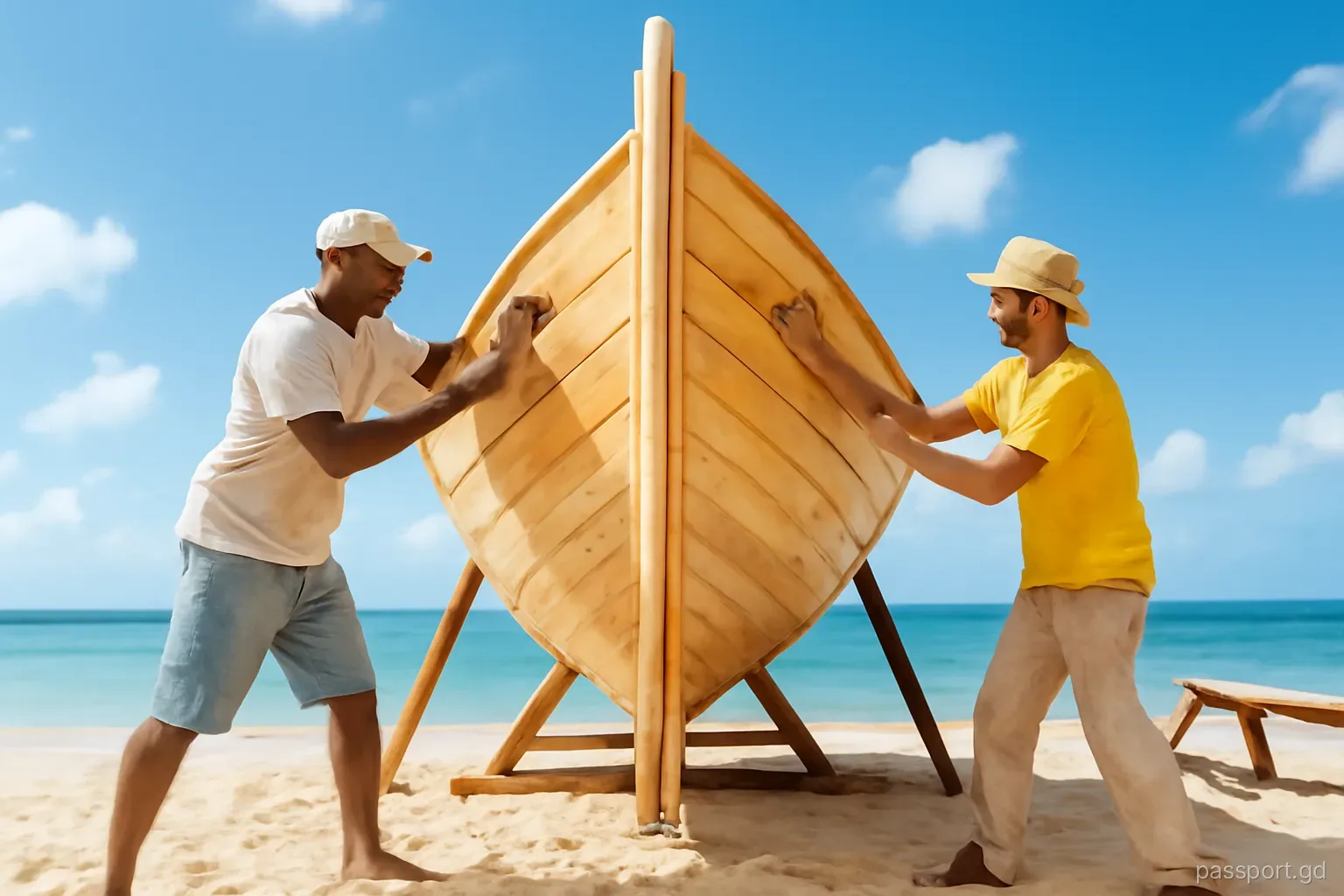
Carriacou has a distinct culture within Grenada, with its own traditions such as the Big Drum dance, the Maroon festival and boat-building in Windward, where wooden sloops have been built by hand for generations. Petite Martinique, smaller still, has a strong seafaring identity. Foreign residents who take an interest in island life, learn names and support local businesses usually find a welcome.
The flip side of a small community is visibility. Word travels quickly, and newcomers who work informally, ignore local norms or make promises they do not keep will be noticed. Immigration rules on working without permits apply on Carriacou exactly as on the mainland.
Residents should also accept a slower pace of official business. A document that takes a day in St George's may take a week when it has to travel by ferry, and patience goes a long way with the officials who handle it.
Newcomers who arrive wanting to change things quickly, whether by building large houses on prominent hillsides or by organising neighbours around their own priorities, sometimes find goodwill harder to earn than expected. Listening first, and taking part in the community events that already exist, tends to work better on islands where families have known each other for generations.
Mistakes newcomers make
Island life amplifies certain errors, because the distance to offices, suppliers and specialists turns small oversights into expensive trips. The most common include:
- Leaving extension applications until the last week, then finding the ferry cancelled by bad weather.
- Buying a house with inadequate water storage for the dry season.
- Assuming pre-2024 information about businesses, services or rentals is still accurate.
- Underestimating the time and cost of trips to the mainland for medical and official appointments.
- Taking local work, such as boat deliveries or guesthouse management, without a work permit.
- Failing to plan for hurricane season, including where to shelter and how to protect documents.
- Keeping the only copies of passports and immigration papers in the house instead of a second set stored elsewhere.
Frequently asked questions
Are the immigration rules different on Carriacou?
No. Carriacou and Petite Martinique are part of the state of Grenada and follow the same immigration and residence rules. What differs is access to offices, so ask at Hillsborough how applications are currently handled.
Can extensions of stay be obtained on Carriacou?
Residents have generally been able to make enquiries at the immigration office in Hillsborough. Ask there how applications are processed at present and allow extra time in case paperwork is sent to St George's.
Is it safe to move to Carriacou after Hurricane Beryl?
Many residents have returned and rebuilt, but recovery is ongoing. Check housing, services and utilities in the specific area, inspect buildings carefully for storm resilience, and confirm that the services you depend on are operating.
Where do Carriacou residents go for hospital care?
The Princess Royal Hospital in Belair provides hospital services on the island, and serious cases are transferred to the mainland. Check current capacity, and hold insurance that covers evacuation for specialist treatment.
Do foreigners need a licence to buy land on Carriacou?
Yes. The Alien Landholding Licence applies across Grenada, including Carriacou and Petite Martinique. Instruct a Grenadian attorney and make any purchase conditional on the licence being granted.
How do residents travel between Carriacou and the mainland?
By inter-island ferry or short flight between Lauriston Airport and Maurice Bishop International Airport. Schedules vary with the season and weather and have changed since 2024, so confirm them before planning.